-
living
Actress Nathalie Kelley On The Transformative Power of Love
13/02/26
Author: RIISE Team
DOCUMENTED BY: RIISE
SHARE

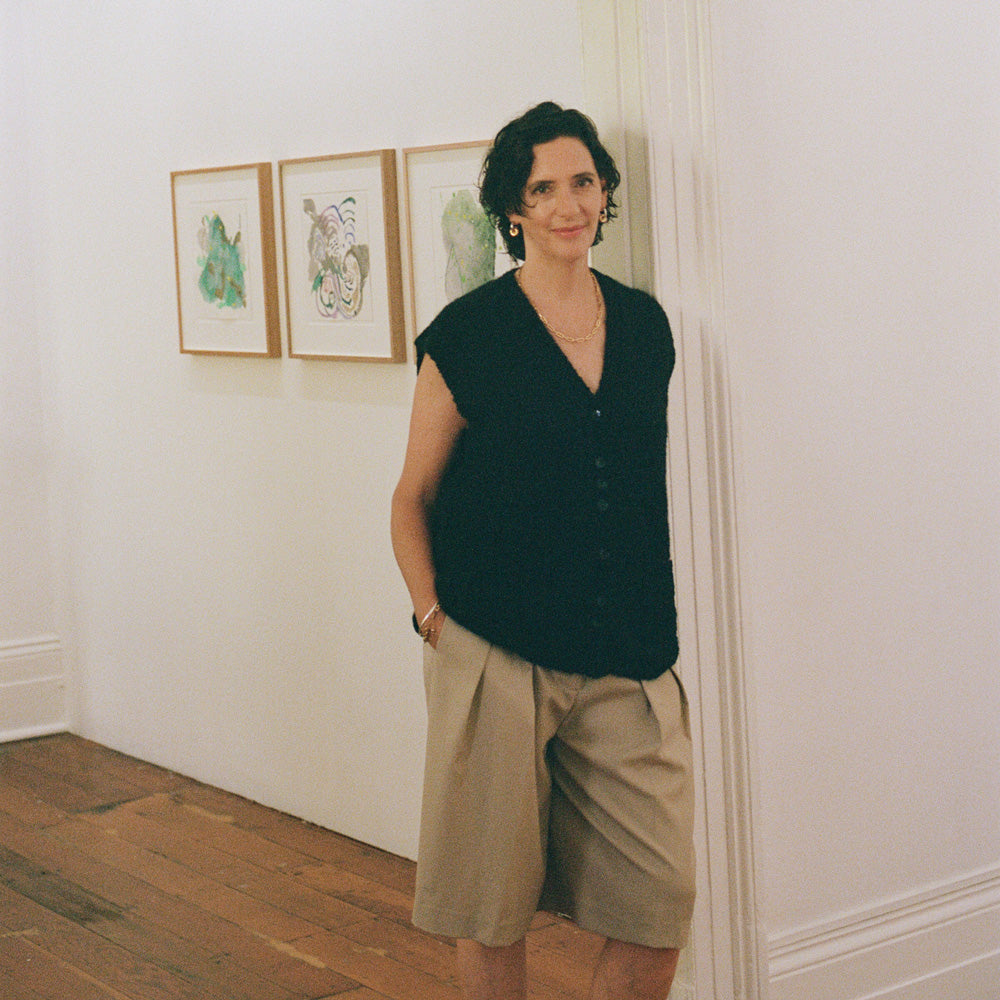
When we speak about love, we often revert to the romantic kind. But for actress Nathalie Kelley, the most transformative love in her life right now is something far more expansive — her evolving relationship with the natural world. In this conversation with RIISE, she reflects on personal transformation and what it means to love the earth in a reciprocal way.
Nathalie grew up by Sydney Harbour, where she felt an instinctive pull toward the water, trees and landscape. Nature was always a refuge, a place she could retreat to. Yet it wasn’t until more recently that she began to see nature not just as a sanctuary, but as a relationship requiring reciprocity.
“The natural world has always been here but I haven't always seen it as a living entity that I could be in a deep relationship with,” she says. “Nature has always been the place that I would run to when I was having troubles at home or fighting with friends, struggling with work or just modern day stresses. I would go in the forest or commune with the trees and the animals. But only recently have I realised that nature’s done her part — how can I step up and be in a reciprocal loving relationship with her and give back to her?”
The horrific Australian bushfires of 2019–2020 marked a turning point. Witnessing the impact — endangered wildlife, lost forests and the fragility of ecosystems — profoundly shifted Nathalie’s perspective.
“So much land was ravaged, so many animals lost their lives and that massive traumatic event really woke me up and made me realise that I didn't want to live in a world where the natural world — the trees, the animals, the waters — were at risk of existing. I felt like all the success and all the accolades that I had accrued up until that moment meant nothing if this [the natural world] wasn't OK,” she explains.
The key takeaway? “This is now the time when love has to turn into action.”
The devastation awakened a deeper sense of responsibility, encouraging her to re-evaluate her priorities and consider how her work and life could contribute to protecting biodiversity and supporting future generations.
Through this evolving relationship, Nathalie gained a new understanding of patience and perspective. Nature’s rhythms — from the changing seasons to the thousands of years behind ancient rainforests — have reshaped how she relates to her own life and indeed time itself.


“When you tune into the natural world and you understand it, earth-time is so much slower and so much more nourishing. It provides this counterbalance from the stresses of modernity.”
This understanding has influenced how she navigates personal expectations, friendships and moments of self-doubt, reminding her to step back from fleeting dopamine hits and reconnect with something more enduring.
Perhaps the most profound shift Nathalie describes is a renewed sense of humility and belonging within the rich ecosystem of life.
“We live in a world, the human world that we've created now, that tells us that we are superior, that we are separate. This love has shown me that there's no separation from me and a flying box or even a cockroach or a bug. I'm an animal also. And I belong; I have an intimately and deeply important role in this web of life.” For Nathalie, recognising this interconnectedness has been both grounding and empowering.
At its core, Nathalie’s story is about redefining love — moving beyond personal relationships into something collective and expansive. Her message is clear: love is not only something we feel, but something we actively practise — with each other and with the earth itself.
SHARE THIS STORY
Documented By: RIISE
© 2026 RIISE, All Rights Reserved